Source Direct Acting Relief Valve for Hydraulics, Gas, and Pneumatics
Compare 30 direct acting relief valve options from global suppliers. Buyers can evaluate adjustable pressure ratings, flow capacities, and certifications like ISO and CE for hydraulic, gas, and pneumatic applications; compare the available evidence and request quotations based on your requirements.
Key considerations
Products List




Comprehensive Sourcing Guide
Direct Acting Relief Valve Sourcing Guide
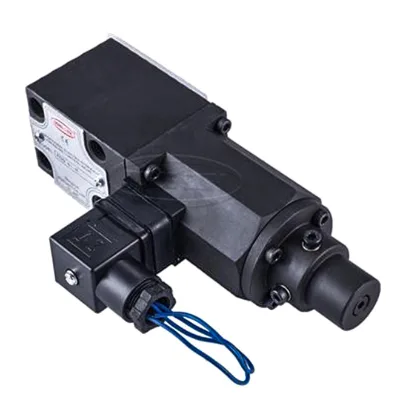
Procurement teams must distinguish between direct acting and pilot-operated designs when sourcing pressure control components. Direct acting valves use a spring-loaded mechanism to open immediately against system pressure, offering rapid response times and simple construction. This makes them ideal for applications requiring precise pressure limiting without the complexity of auxiliary control lines. Buyers should prioritize this type for systems where speed and reliability are critical, ensuring that the valve opens at the set pressure without significant overpressure.
The observed market data indicates a diverse range of models, including specific series like the RDDA-LCV and EMYF variants, which cater to different flow and pressure requirements. While some listings highlight adjustable set pressures ranging from 1.5 to 30 Kpa up to 0.4 MPa, others specify higher rated pressures such as 245 bar or 400 bar for hydraulic applications. Sourcing teams must carefully match the valve’s structural characteristics, such as spring type and connection style, to the specific operational demands of their machinery to avoid performance mismatches.
Product Scope and Observed Listing Signals
The current catalog signals reveal a wide spectrum of valve types, from gas relief valves with thread connections to hydraulic units with tubular installation. Buyers will encounter products labeled as self-operated or directly operated, which typically rely on internal spring forces rather than external pilot signals. The presence of models with adjustable pressure settings allows for fine-tuning in dynamic systems, while fixed-set valves provide consistent protection for static applications. Understanding these distinctions is vital for selecting the correct component for either pneumatic or hydraulic environments.
Listing attributes also highlight variations in physical specifications, including weights around 55 units and dimensions that may be listed as not applicable for certain compact designs. Packaging methods vary between wooden cases and cartons, reflecting the fragility and value of the internal components. Some entries specify a lift of 1/4D0, indicating the valve opening relative to the flow passage diameter, which directly impacts flow capacity. Procurement specialists should verify these physical traits against their installation constraints to ensure compatibility with existing piping and space limitations.
Technical Specifications to Verify
Key technical parameters include the relieving and reseating pressures, which define the valve’s operational window. Reliable sourcing requires verifying that the relieving pressure is within 1.05 times the set pressure and that reseating occurs at no less than 0.9 times the set pressure. These ratios ensure minimal pressure loss during normal operation while providing adequate safety margins during overpressure events. Buyers must confirm these performance metrics with suppliers, as deviations can lead to system inefficiencies or safety hazards in critical pressure control scenarios.
Flow capacity and rated pressure are equally critical for hydraulic applications, where models like the EMYF series offer rated flows from 23 to 70 L/min at pressures up to 400 bar. Installation torque specifications, ranging from 35 to 45 nm, must be strictly adhered to during assembly to prevent leaks or mechanical failure. Additionally, temperature ranges, such as -20 to +100°C, dictate the material compatibility of seals and springs. Procurement teams should request detailed datasheets to validate these specifications against their specific operating conditions and fluid types.
Compliance and Safety Documentation
Certification requirements vary by region and application, with ISO and CCC marks appearing in some listings, while CE certification is noted for others. Buyers must ensure that the selected valves meet the regulatory standards of their target market, particularly for equipment used in Europe or China. Verification of these certifications is essential to avoid customs delays and ensure legal compliance. Sourcing teams should request valid certificate copies and check their expiration dates to maintain ongoing compliance throughout the product lifecycle.
Safety standards also dictate the design and testing of relief valves, ensuring they function correctly under extreme conditions. While some listings mention ordinary standards, others reference specific model standards like RDDA-LCV, which may imply adherence to particular industry norms. Buyers should inquire about the testing procedures used by manufacturers, including hydrostatic and pneumatic tests, to verify the valve’s integrity. Documentation of these tests provides assurance that the valves will perform reliably in real-world applications, protecting both personnel and equipment from pressure-related failures.
Cost Drivers and Commercial Terms
Pricing in the observed range spans from $0.5 to $10,000, reflecting the vast difference between simple gas valves and complex hydraulic units. Factors influencing cost include material quality, pressure rating, and flow capacity. High-pressure hydraulic valves with precise flow control commands a premium due to the advanced engineering and tighter manufacturing tolerances required. Buyers should analyze the total cost of ownership, considering maintenance needs and potential downtime, rather than focusing solely on the initial purchase price.
Minimum order quantities (MOQ) typically range from 1 to 1000 units, offering flexibility for both small-scale projects and large industrial deployments. Customization options are available, allowing buyers to tailor valves to specific requirements, which may incur additional costs and longer lead times. Payment terms and shipping methods, such as wooden case packaging for fragile items, also impact the overall commercial agreement. Procurement teams should negotiate favorable terms based on volume commitments and long-term partnership potential to optimize their supply chain efficiency.
Supplier Qualification and Quality Control
Supplier qualification involves assessing their manufacturing capabilities and quality management systems. Buyers should verify that suppliers have robust processes for testing and inspecting valves before shipment. Certifications like ISO indicate a commitment to quality standards, but on-site audits or third-party inspections can provide deeper insights into production practices. Establishing a clear communication channel with suppliers ensures that any technical queries or issues are addressed promptly, fostering a collaborative relationship.
Quality control measures should include routine checks on critical dimensions, pressure settings, and material composition. Suppliers should provide traceability documentation for raw materials, ensuring that components meet specified grades and standards. Buyers can implement incoming inspection protocols to verify that received goods match the ordered specifications. Regular performance reviews of suppliers help maintain high standards and identify areas for improvement, ensuring a consistent supply of reliable relief valves for ongoing operations.
Long-Term Procurement Checks
Long-term success depends on monitoring supplier performance and product reliability over time. Buyers should track metrics such as defect rates, delivery times, and response to technical support requests. Regular feedback loops with suppliers facilitate continuous improvement and address any emerging issues before they impact production. Maintaining a diverse supplier base can mitigate risks associated with single-source dependencies, ensuring continuity of supply even during market fluctuations or disruptions.
Technological advancements in valve design may offer improved efficiency or durability, prompting periodic reviews of current specifications. Buyers should stay informed about industry trends and new product offerings that could enhance their systems. Updating procurement strategies to incorporate these innovations can lead to cost savings and performance gains. By proactively managing supplier relationships and staying abreast of market developments, procurement teams can ensure a resilient and efficient supply chain for critical pressure control components.
FAQs
How does a direct acting relief valve work?
A direct acting relief valve uses a spring-loaded element that opens when system pressure exceeds the set point, allowing media to relieve. With adjustable pressure and a spring structure, set pressure ranges from 1.5-30 Kpa up to 30 Kpa-0.4 MPa. Relieving pressure stays at or below 1.05PF, while reseating pressure remains at or above 0.9PF.
What pressure range can a direct acting relief valve handle?
Available listings cover set pressure PF ranges of 1.5-30 Kpa and 30 Kpa-0.4 MPa for self-operated, adjustable designs. Hydraulic relief valve models listed show rated pressures of 245, 250, and 400 bar with rated flows of 23, 60, and 70 L/min. Confirm the specific model before ordering, since ratings vary by product.
Can direct acting relief valves be customized for specific applications?
Yes, customization is available on listed products. Buyers can request tailored models, with some listings noting customized model numbers on request. Customization can cover specifications suited to your media, connection type, and pressure requirements. Discuss your operating parameters with the supplier before placing an order to confirm feasibility.
What temperature range do these relief valves support?
Listed hydraulic relief valve models support a temperature range of -20 to +100 degrees Celsius. This suits hydraulic circuits and gas media applications within moderate thermal conditions. Verify the operating temperature of your system against the specific model datasheet, since temperature limits depend on seals, materials, and the valve type selected.
Which certifications do listed relief valve products carry?
Listed products show certifications including ISO, CCC, and CE, depending on the specific listing. Certification coverage varies across the 30 products in this category, so confirm the exact certificate for your chosen model. Requesting certificate copies before ordering is a common buyer practice to verify compliance for your destination market.
What is the difference between direct acting and pilot-operated relief valves?
Direct acting relief valves respond directly to system pressure through a spring-loaded mechanism, offering simple, fast operation. Pilot-operated type models, also listed in this category, use a pilot stage to control the main valve, which can suit higher flow demands. Choose based on your set pressure, flow, and response requirements.
How are relief valves packed and shipped for orders?
Listed packaging options include wooden case and carton packing, with some items sold as single units. Wooden cases are commonly used for heavier valves, while cartons suit smaller models. Confirm packing preference, shipping method, and any export documentation requirements with the supplier when requesting a quotation.
What installation details should buyers verify before ordering?
Listed models use threaded connections with tubular installation, and hydraulic models specify installation torque of 40-45 Nm or 35-40 Nm. Directly operated and pilot-operated types are both available. Check thread size, mounting orientation, and torque requirements against your system layout, and confirm warranty terms, which are listed at one year.